

There’s a specific kind of frustration that doesn’t get talked about enough.
You want to do the thing.
You care about it.
You’ve thought about it.
You may have even planned for it.
And yet — you still can’t start.
Not because you don’t care.
Not because you’re lazy.
Not because you’re scrolling instead of trying.
You’re just… stuck.
This isn’t procrastination.
It’s something quieter, heavier, and far more misunderstood.
And until we name it correctly, most advice will keep making it worse.
The Moment Everyone Mislabels as “Procrastination”
If you’ve ever sat down with the intention to start and felt your body lock up instead, you know the moment.
You open your planner.
You stare at the blank page.
You open the document, the notebook, the app — and suddenly your chest tightens.
You tell yourself:
- “I’ll just do it later.”
- “I need to feel more ready.”
- “I should organize first.”
From the outside, it looks like procrastination.
From the inside, it feels like resistance with no clear cause.
That’s because what you’re experiencing isn’t a lack of discipline — it’s start paralysis.

Why “Just Start” Advice Fails So Badly
Most productivity advice assumes one thing:
That starting a task is emotionally neutral.
But for many people, starting isn’t neutral at all.
Starting means:
- committing to an outcome
- reopening past failures
- facing expectations (yours or someone else’s)
- risking disappointment again
So when someone says “just start,” your nervous system hears:
“Put yourself back in danger.”
And it responds accordingly.
Freeze.
Avoid.
Delay.
This isn’t laziness.
It’s protection.
The Difference Between Avoidance and Start Paralysis
This distinction matters — a lot.
Avoidance looks like:
- not wanting to do something
- feeling disinterested
- choosing distraction instead
Start paralysis looks like:
- wanting to do it badly
- caring deeply about the outcome
- feeling frozen by the weight of beginning
If avoidance is “I don’t want to,”
start paralysis is “I want to… but I can’t.”
Treating these two things the same is why so much advice backfires.
Why Starting Feels Heavier Than Continuing
Have you ever noticed that once you finally start, things often get easier?
That’s not a coincidence.
Starting carries the highest emotional load of any task.
Before you begin, your brain has to hold:
- uncertainty
- imagined outcomes
- potential failure
- self-judgment
- unfinished history with similar attempts
Once you’re moving, much of that pressure dissipates.
The problem isn’t that you can’t do the work.
It’s that the act of beginning feels unsafe.

Starting Is an Identity Event
This is the part no one tells you.
Starting something isn’t just an action — it’s an identity shift.
When you begin:
- you become someone who is trying again
- you reopen a chapter you may have closed for self-protection
- you risk disproving the story you’ve been telling yourself to survive
Starting means becoming visible — even if only to yourself.
And if past attempts were painful, your system remembers.
Why Motivation Isn’t Missing — It’s Guarded
A lot of people think they lack motivation.
In reality, motivation is often being held hostage by fear.
Your brain isn’t withholding motivation because it’s broken.
It’s doing it because motivation leads to exposure.
Exposure to:
- disappointment
- comparison
- effort without reward
- hope that might not be met
So your system says:
“Not yet. Not like this. Not again.”
That hesitation isn’t weakness.
It’s experience.
The Cost of Waiting Until You Feel “Ready”
One of the most damaging myths we’re taught is that readiness comes first.
That one day, you’ll wake up:
- energized
- confident
- clear
- unafraid
And then you’ll begin.
But readiness isn’t a prerequisite for starting — it’s a byproduct of safe movement.
Waiting until you feel ready often means waiting forever.
Because readiness grows after you start gently, not before.
When Mental Clutter Makes Starting Even Harder
If starting already feels heavy, mental clutter makes it nearly impossible.
Unfinished thoughts, open loops, and background worries all stack on top of the task you’re trying to begin.
If this sounds familiar, this piece may help deepen that layer:
Why You Feel Mentally Busy Even When You’re Doing Nothing
Mental clutter doesn’t just drain energy — it raises the emotional stakes of starting anything new.
Why High-Stakes Planning Makes the Freeze Worse
Many planners and systems accidentally increase start paralysis.
They assume:
- momentum
- consistency
- linear progress
- emotional neutrality
But when you’re already struggling to begin, highly structured systems feel like contracts you’re afraid to sign.
Every blank page feels like a test.
Every week looks like a promise you’re scared to break.
Which is why so many people “fail” at planning — not because they lack discipline, but because the system wasn’t designed for fragile starts.
What Gentle Starting Actually Looks Like
Starting doesn’t have to mean “begin the whole thing.”
Gentle starting can look like:
- opening the notebook without writing
- writing one sentence
- naming resistance instead of fighting it
- choosing a task so small it feels almost silly
The goal isn’t progress.
The goal is safety.
When your nervous system feels safe, motion follows naturally.

Starting Without the Pressure to Finish
One of the biggest reasons starting feels impossible is the assumption that beginning means committing to completion.
But you’re allowed to start without finishing.
You’re allowed to open something and close it again.
You’re allowed to begin and stop.
Removing the expectation of completion lowers the emotional barrier enough for movement to happen.
This is where the right tools matter.
Begin Here / Start-Small Ritual Pages
Instead of a to-do list, imagine a page designed only for beginning.
No deadlines.
No weekly expectations.
No pressure to keep going.
Just a place to start — quietly, gently, imperfectly.
This is where Start-Small Ritual Pages come in.
They exist to:
- reduce the emotional weight of beginning
- remove performance pressure
- give your thoughts a landing place without expectations
They don’t ask you to be consistent.
They just ask you to show up once.
Why Systems Should Reduce Stakes, Not Raise Them
A system should feel like support — not surveillance.
If opening your planner feels heavy, it’s not you.
It’s the design.
Gentle systems:
- expect interruption
- allow gaps
- don’t punish inconsistency
- don’t assume momentum
This is especially important when starting has been painful in the past.
When Fear of Failure Is Really Fear of Repetition
Many people aren’t afraid of failing.
They’re afraid of failing again.
Of repeating a pattern.
Of proving a fear correct.
Of reopening a wound they worked hard to close.
Starting means risking repetition — unless you change the way you begin.
This is where containment matters.
A Safer Way to Think About Progress
Progress doesn’t have to mean:
- more
- faster
- better
- consistent
Progress can mean:
- less fear
- quieter resistance
- easier returns
- shorter freezes
If starting feels slightly less heavy than last time, that’s real progress.
When Consistency Becomes the Wrong Goal
If consistency has become a source of shame rather than support, it may be working against you.
This connects closely to:
Why Consistency Is Failing You (And What Actually Works When You’re Burnt Out)
Starting doesn’t require consistency.
It requires permission.
Low-Pressure Undated Planning Pages
Undated pages remove one of the biggest barriers to starting: time pressure.
No missed days.
No catching up.
No feeling behind before you even begin.
Low-pressure planning pages are designed to:
- allow uneven energy
- support re-entry without guilt
- create continuity without demand
They don’t assume momentum.
They make room for it.
How to Tell When You’re Ready to Start
Here’s the truth most people don’t want to hear:
If you’re reading this, you’re already ready.
Readiness doesn’t feel like confidence.
It feels like curiosity.
Or tiredness.
Or quiet wanting.
Readiness often shows up as:
- thinking about starting
- wishing it were easier
- looking for a gentler way
That’s enough.
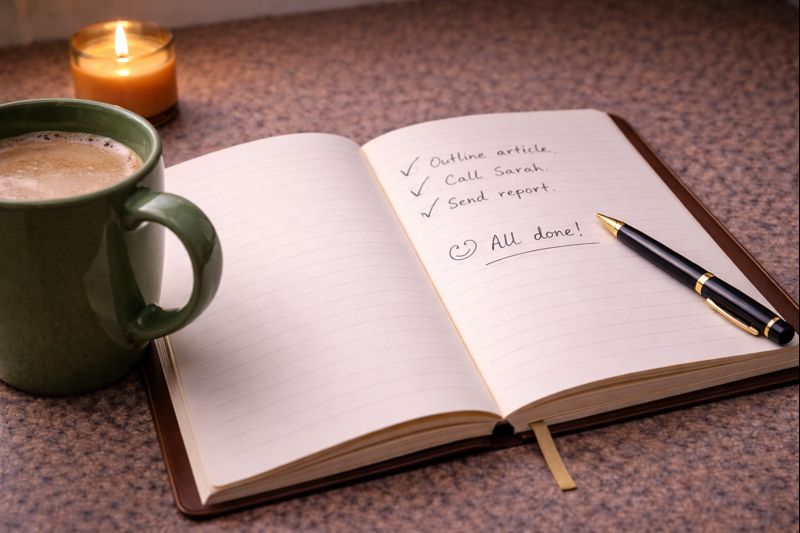
A Closing Ritual for Beginning Without Fear
Before you try to start anything else, try this:
- Choose one thing you’ve been avoiding — gently.
- Write its name down.
- Under it, write:
“I’m allowed to begin imperfectly.” - Close the page.
That’s it.
No action required.
No follow-through demanded.
No productivity promised.
Just permission.
Starting doesn’t have to hurt.
It just has to feel safe enough.


2 Responses