Introduction: The Tool That Was Supposed to Help
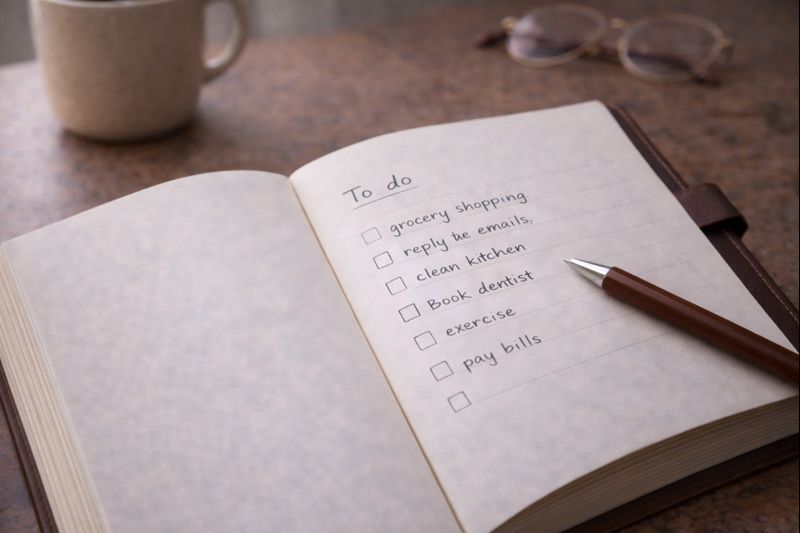
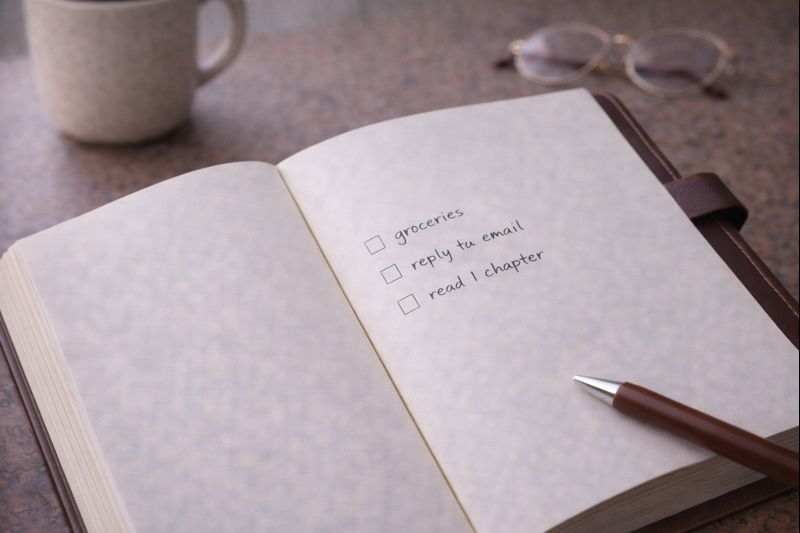
To-do lists are supposed to make life feel manageable.
Write everything down.
Get it out of your head.
Feel organized.
Feel productive.
But for a lot of people, the opposite happens.
You sit down to make a to-do list and suddenly your chest tightens.
Your mind races.
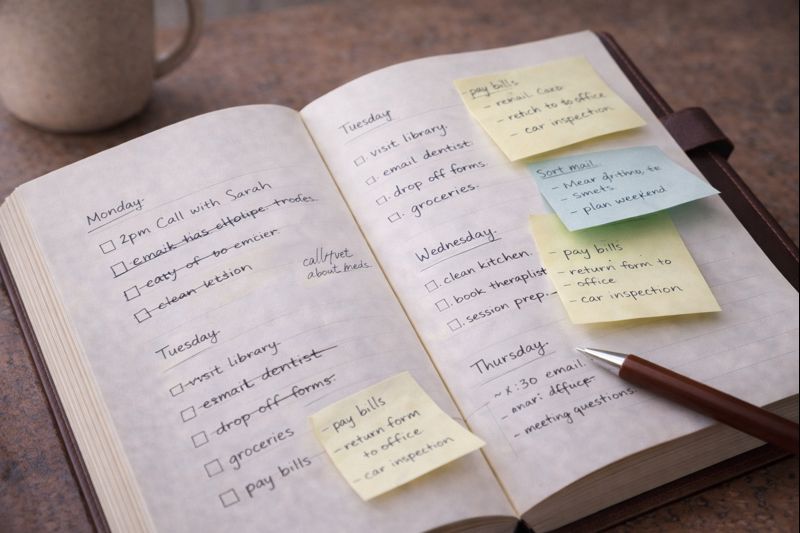
The list grows faster than your ability to finish it.
And instead of feeling calmer, you feel exposed — like the page just showed you everything you’re failing to keep up with.
If to-do lists make you anxious, overwhelmed, or avoidant, this post isn’t here to convince you to “use them better.”
It’s here to explain why they backfire for so many people — and what actually works instead.
This Is Still a Productivity Post (Just Not a Punitive One)
Let’s clear something up right away:
This isn’t an argument against structure.
And it’s not anti-planning.
It’s about matching tools to nervous systems — not forcing your brain to work the way productivity culture assumes it should.
Because to-do lists aren’t neutral.
They come with expectations, emotional weight, and hidden pressure — especially when you’re already overwhelmed.
Why To-Do Lists Feel So Heavy
A traditional to-do list does three things at once:
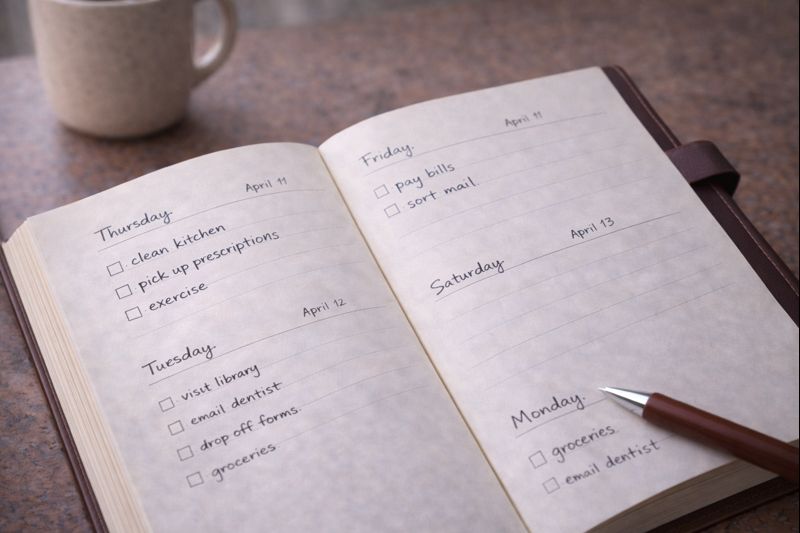
- It shows you everything you haven’t done
- It assumes equal importance for unequal tasks
- It offers no stopping point
Your brain doesn’t see “tasks.”
It sees unfinished business.
And unfinished business triggers stress.
The Anxiety Loop To-Do Lists Create
Here’s what often happens:
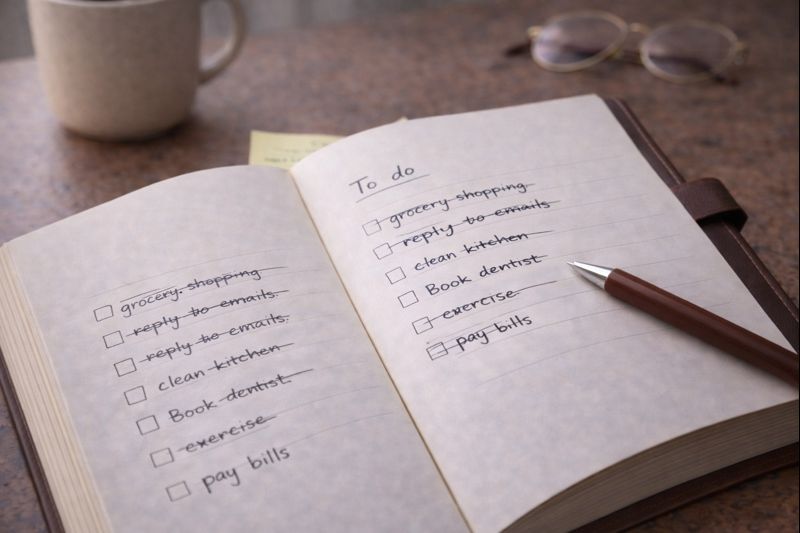
You write a list.
You complete a few items.
You don’t get through all of it.
Your brain doesn’t register progress.
It registers:
“You didn’t finish.”
Over time, this trains avoidance.
You stop making lists — not because you’re lazy, but because your body associates them with failure.
Why To-Do Lists Ignore Emotional Capacity
Most lists assume:
- Stable energy
- Clear focus
- Predictable time
But real life includes:
- Fatigue
- Decision overload
- Emotional labor
- Unexpected interruptions
A list doesn’t adjust when your capacity drops.
It just sits there — silently judging.
To-Do Lists Turn Time Into a Moral Test
Another hidden problem:
To-do lists turn time into a measurement of worth.
If you complete a lot → good day.
If you don’t → bad day.
This is especially damaging if you’re burned out, neurodivergent, or living with chronic stress.
Your value becomes tied to output.
Why Anxiety Makes Lists Worse (Not Better)
When anxiety is high:
- Task initiation becomes harder
- Decision-making slows
- Prioritization collapses
A list asks you to decide what matters when your brain is already overloaded.
That’s why staring at a list can feel paralyzing instead of clarifying.
The Problem Isn’t the List — It’s the Lack of Containment
The core issue isn’t writing things down.
It’s scope.
Most to-do lists:
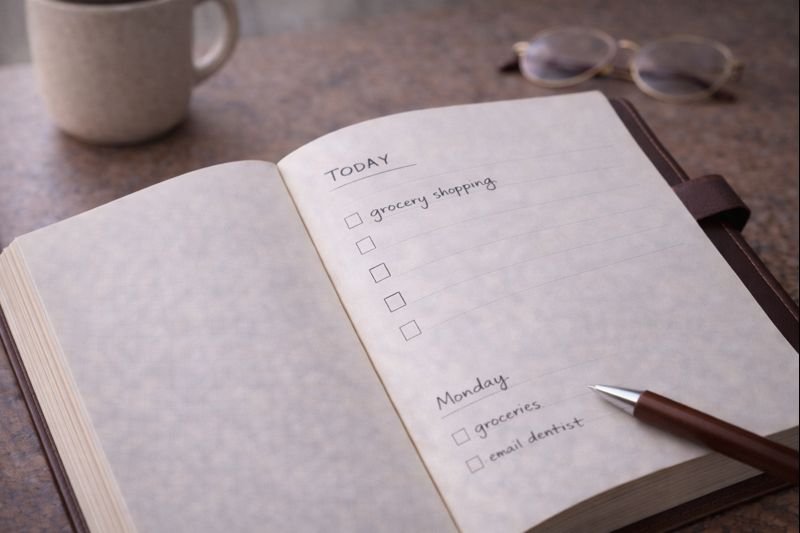
- Are infinite
- Have no edges
- Offer no sense of “enough”
Your nervous system needs containment before it can focus.
Why “Just Break Tasks Down” Isn’t Enough
You’ve probably heard:
“Just break it into smaller steps.”
That helps — but only up to a point.
Because if the list is still endless, your brain still reads danger.
What you need isn’t smaller tasks.
You need fewer visible obligations at once.
What to Use Instead of Traditional To-Do Lists
This is where gentler systems come in.
Instead of asking:
“What do I need to do?”
Try asking:
“What can this day hold?”
This shifts planning from performance to capacity.
Option 1: Daily Containment Pages (Not Lists)
A containment page has:
- A fixed number of spaces
- Clear limits
- Permission to stop
When the page is full, you’re done — even if other things exist.
This removes the constant sense of falling behind.
This is why undated daily planning pages work so well for anxious planners: they limit scope by design.
Option 2: Priority Windows Instead of Tasks
Instead of listing everything, choose:
- One focus window
- One support task
- One optional task
Not because you can’t do more — but because you don’t need to see more.
Option 3: Return-Friendly Planning
One reason lists increase anxiety is because they punish interruption.
If you miss a day, the list becomes evidence.
Return-friendly systems assume breaks.
They don’t reset.
They don’t shame.
They simply wait.
This is the philosophy behind Return-Without-Shame planning tools, which remove the emotional cost of stopping and starting.
Why Habit Trackers Often Feel Better Than To-Do Lists
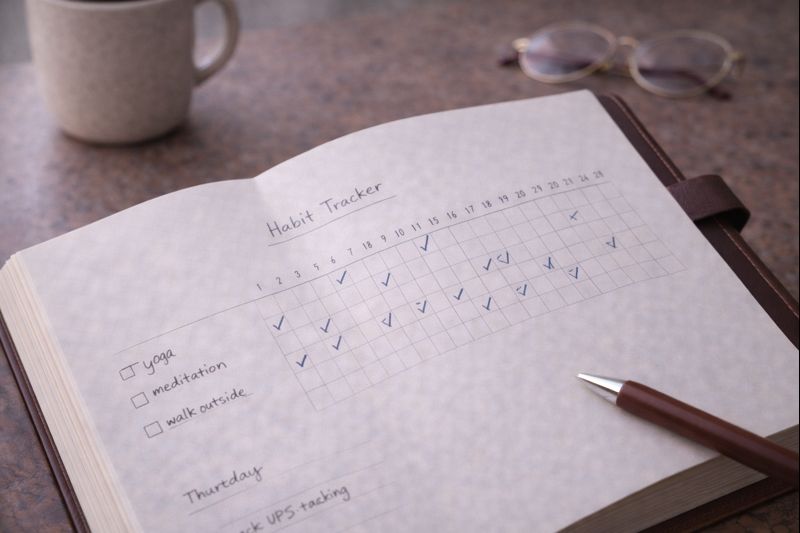
Habit trackers focus on presence, not completion.
They ask:
“Did you engage at all?”
Instead of:
“Did you finish everything?”
When designed without streaks, they allow inconsistency without consequence.
That’s why low-pressure habit reset trackers often feel safer than lists for anxious brains.
When Lists Are Helpful (Yes, Sometimes They Are)
To-do lists can work when:
- Anxiety is low
- Energy is stable
- Scope is limited
- The list is temporary
The problem is using them as a default during high-stress seasons.
Why This Matters for Burnout Recovery
Burnout isn’t fixed by efficiency.
It’s healed by trust.
If your planning tools don’t feel safe, your brain will resist them — no matter how logical they seem.
This is why nervous-system-friendly planning matters so much.
You explore this more deeply in The Witch’s Guide to Nervous-System-Friendly Productivity, which explains why safety comes before structure.
A Gentle Planning Framework (No Lists Required)
Try this instead:
- Choose one anchor task
- Choose one supportive action
- Choose one optional effort
That’s it.
If you do one, the day counts.
Why Less Visibility Often Means More Follow-Through
Paradoxically, hiding tasks increases completion.
When your brain isn’t constantly scanning for danger, it can focus.
This is why contained planning beats comprehensive planning for anxious minds.
The Emotional Relief of “Enough”
One of the most healing moments in gentle productivity is realizing:
You don’t have to see everything to be responsible.
You don’t have to manage your entire life every day.
You’re allowed to work in pieces.
Final Reframe: Anxiety Isn’t a Productivity Flaw
If to-do lists make you anxious, it’s not because you’re bad at productivity.
It’s because your nervous system is asking for a different tool.
One that supports you instead of pressuring you.
Related Reading (Internal Links)
If this resonated, you might also appreciate:
- Why Productivity Advice Makes You Feel Worse (Not Better)
- The Witch’s Guide to Nervous-System-Friendly Productivity
Gentle Tool Support (Optional, Not Required)
For readers who want structure without anxiety:
These tools aren’t about doing more — they’re about feeling safer while doing what matters.
Closing
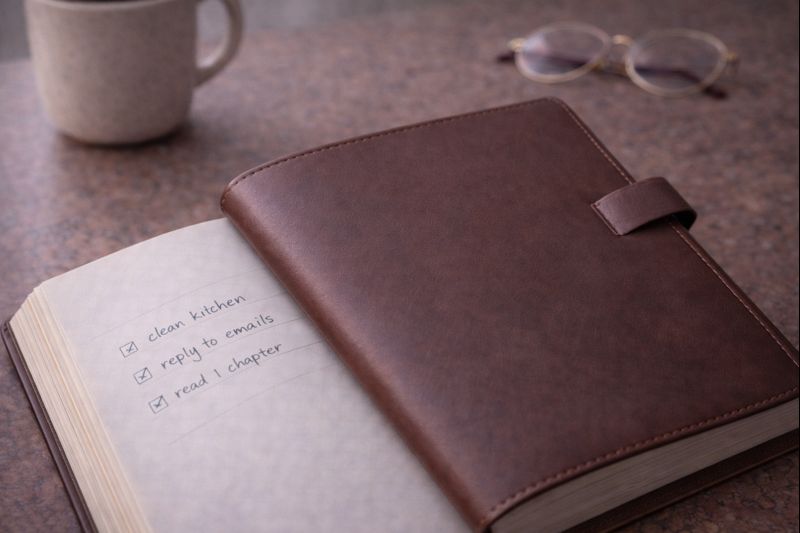
You don’t need a better to-do list.
You need a system that respects your capacity.
And once you have that, productivity stops feeling like a threat — and starts feeling possible again.


One Response